The Complete Guide to Planning Your First African Safari (2026)
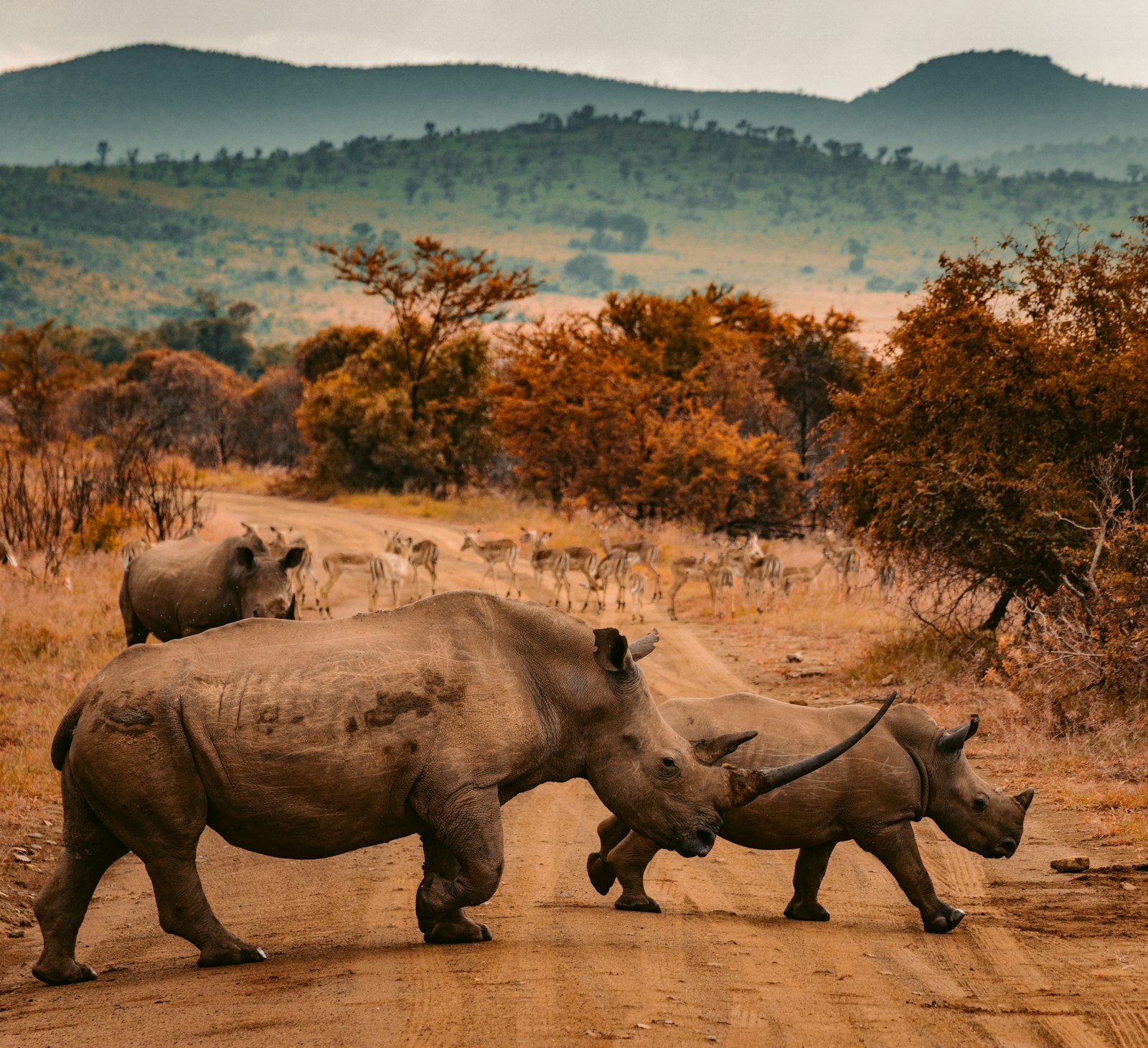
You've dreamed about it for years. The golden savannas stretching to the horizon. Lions lounging in the shade. Elephants crossing at sunset. An African safari isn't just a vacation—it's a bucket-list, life-changing adventure.
But here's the thing: planning your first safari can feel overwhelming. Which country should you visit? When's the best time to go? How much will it cost? What do you even pack?
Take a deep breath. You're in the right place. This guide covers everything you need to plan an incredible first safari—from choosing your destination to booking with confidence. By the end, you'll know exactly how to turn that dream into reality.
Choosing Your Safari Destination
Africa has 54 countries, and many offer spectacular wildlife experiences. But for first-timers, four countries stand out as the best choices.
Kenya: The Classic Safari
Kenya is where the safari dream was born, and it's still one of the best places to start. The Maasai Mara is famous for good reason—incredible wildlife density, the Great Migration (July-October), and excellent tourism infrastructure.
Best for: First-time safari-goers who want iconic African experiences
Highlights: Maasai Mara, Amboseli (elephants with Kilimanjaro backdrop), Lake Nakuru (flamingos), Tsavo (red elephants)
Budget: $200-800 per day depending on accommodation style
Accessibility: Easy—most safaris are 2-5 hours from Nairobi
Tanzania: The Ultimate Wildlife Experience
Tanzania is home to the Serengeti, Ngorongoro Crater, and more wildlife than you can imagine. It's slightly less developed than Kenya, which means fewer crowds and a more remote feel.
Best for: Travelers who want the most wildlife possible
Highlights: Serengeti (endless plains, migration), Ngorongoro Crater (world's largest intact caldera), Tarangire (elephant herds), Lake Manyara (tree-climbing lions)
Budget: $250-1,000 per day
Accessibility: Most parks are 3-6 hours from Arusha
Uganda: Gorillas and Beyond
Uganda isn't just about gorilla trekking (though that's incredible). It offers diverse landscapes—from jungle to savanna—and some of the best primate experiences on Earth.
Best for: Adventurous travelers who want gorillas, chimps, and unique experiences
Highlights: Bwindi (mountain gorillas), Kibale Forest (chimp tracking), Queen Elizabeth National Park (tree-climbing lions), Murchison Falls
Budget: $150-700 per day (plus $800 gorilla permit)
Accessibility: Longer drives (6-10 hours) or domestic flights available
South Africa: Self-Drive Safari Option
South Africa is unique because you can do a self-drive safari in Kruger National Park. It's more budget-friendly and gives you complete control over your schedule.
Best for: Independent travelers on a budget who want control
Highlights: Kruger National Park (Big 5), private game reserves (luxury options), Cape Town add-on
Budget: $100-500 per day (self-drive much cheaper)
Accessibility: Excellent—paved roads, rental cars available
Ready to choose your destination? Browse safaris in Kenya, Tanzania, Uganda, and South Africa on AFRICONNECT-all with verified local operators.
When to Visit: Best Times for Safari
Timing matters. A lot. The difference between dry season and rainy season affects what you see, how much you pay, and how many other tourists you encounter.
Dry Season (June - October): Peak Wildlife Viewing
This is when most people go on safari, and for good reason. Animals gather at remaining water sources, making them easier to spot. Vegetation is sparse, so you can see farther. Roads are in better condition.
Pros:
- Best wildlife viewing—animals concentrated at waterholes
- Great Migration river crossings (July-September in Maasai Mara)
- Clear skies perfect for photography
- Minimal rain won't disrupt plans
Cons:
- Highest prices (premium can be 30-50% more expensive)
- More tourists—popular parks can feel crowded
- Hotter temperatures during the day
Rainy Season (March - May, November): Budget-Friendly Option
Don't write off rainy season. Yes, it rains (usually afternoon showers, not all-day downpours), but it has massive advantages.
Pros:
- 30-50% lower prices on everything
- Fewer tourists—you might have sightings to yourself
- Baby animals everywhere (adorable!)
- Lush, green landscapes (stunning photography)
- Migrating birds for bird watchers
Cons:
- Animals more dispersed (harder to find)
- Afternoon rains can disrupt game drives
- Some roads impassable, limiting access
- Thicker vegetation makes spotting animals harder
Shoulder Season (January-February, November): Best of Both Worlds
These months offer a sweet spot—decent weather, good wildlife viewing, moderate prices, and fewer crowds.
My recommendation for first-timers: If you can swing it, go during dry season (July-September) for guaranteed incredible wildlife. If you're budget-conscious, shoulder season (January-February) gives you 80% of the experience at 60% of the cost.
Types of Safaris: Finding Your Style
Not all safaris are the same. Your experience changes dramatically based on accommodation style, group size, and how you travel.
Camping Safari: Budget-Friendly Adventure
Sleep in tents, eat meals cooked over campfires, wake up to animal sounds outside your tent. This is raw, authentic safari.
What you get: Camping equipment, meals, guide, park fees, game drives
What you don't get: Private bathroom (shared facilities), luxury amenities, WiFi
Cost: $150-300 per day
Best for: Budget travelers, young adventurers, people who prioritize experience over comfort
Important note: You still see the exact same animals as luxury lodges. Lions don't care where you sleep.
Lodge Safari: Comfortable Middle Ground
Stay in permanent lodges with private rooms, hot showers, restaurants, and often a swimming pool. This is the most popular option for good reason—comfort without breaking the bank.
What you get: Private room with bathroom, three meals daily, game drives, professional guide, park fees
Cost: $300-600 per day
Best for: Most first-time safari-goers, couples, families, anyone who wants comfort
Luxury Tented Camp: High-End Safari
These aren't your average tents. Think king-size beds, ensuite bathrooms with hot showers, gourmet meals, butler service, and often private plunge pools. The "tented" part is just canvas walls—everything else is 5-star.
What you get: Luxury accommodation, exceptional food and wine, private guides, spa services, exclusive locations
Cost: $600-2,000+ per day
Best for: Honeymoons, special occasions, travelers who want ultimate comfort and service
Private vs. Group Safaris
Group safaris (usually 4-8 people) are more affordable because you split costs. You'll meet other travelers and benefit from shared knowledge. The downside? You follow the group's schedule and preferences.
Private safaris give you complete control—you decide when to leave, how long to stay at sightings, and where to go. But you pay a premium for exclusivity.
Cost difference: Private safaris typically cost 40-60% more than group options.
Filter by safari type: Find camping, lodge, or luxury safaris on AFRICONNECT with transparent pricing and verified reviews.
Safari Budget: What Does It Actually Cost?
Let's talk numbers. Safari costs vary wildly based on country, season, accommodation, and duration. Here's what you can expect.
Budget Safari: $150-300 per day
Includes:
- Camping accommodation
- All meals (simple but filling)
- Transportation in safari vehicle
- Professional guide
- Park entrance fees
- Game drives (typically 2 per day)
Excludes:
- Drinks and alcohol
- Tips for guide/cook
- Personal expenses
- Travel insurance
Example 5-day budget safari in Kenya: $1,000-1,500 total
Mid-Range Safari: $300-600 per day
Includes:
- Lodge or mid-range tented camp
- Three meals daily (better quality)
- Private bathroom and hot shower
- More experienced guides
- Better vehicle conditions
- Sometimes includes drinks
Example 7-day mid-range safari in Tanzania: $2,500-4,000 total
Luxury Safari: $600-2,000+ per day
Includes:
- 5-star tented camps or lodges
- Gourmet meals with wine pairings
- Private guides and vehicles
- Spa services
- Laundry service
- Premium locations and exclusive access
- Sometimes includes champagne bush breakfasts
Example 10-day luxury safari in Botswana: $8,000-20,000 total
Hidden Costs to Budget For
Don't forget these additional expenses:
- International flights: $800-2,000 depending on origin
- Visas: $50-100 (most East African countries)
- Travel insurance: $100-200 for 2-week trip
- Tips: $10-20 per day for guide, $5-10 for camp staff
- Vaccinations: $100-300 if needed
- Souvenirs and extras: Whatever you want to spend
What to Pack for Safari
Packing for safari is different from packing for a beach vacation. Here's what you actually need.
Clothing Essentials
- Neutral-colored clothing: Khaki, olive, brown, beige—nothing bright or white (attracts insects)
- Long sleeves and pants: Sun protection and mosquito prevention
- Warm jacket or fleece: Early morning game drives are COLD (40-50°F)
- Comfortable walking shoes: Broken-in sneakers or hiking boots
- Sandals: For evenings at camp
- Hat with brim: Sun protection is crucial
- Sunglasses: Essential for bright savannas
- Swimsuit: Many lodges have pools
Camera Gear
- Camera with zoom lens: 200mm minimum, 300-400mm ideal
- Extra batteries: You can't charge during game drives
- Multiple SD cards: You'll take thousands of photos
- Binoculars: Game-changer for distant animals (8x42 or 10x42)
- Dust protection: Ziplock bags or camera covers (savannas are dusty)
Health and Safety Items
- Sunscreen SPF 50+: African sun is no joke
- Insect repellent with DEET: Malaria prevention
- Antimalarial medication: Consult your doctor
- Basic first aid kit: Band-aids, pain relievers, anti-diarrheal
- Hand sanitizer and wet wipes: Not always convenient to wash hands
- Prescription medications: Bring extra in original containers
What NOT to Bring
- ❌ Excessive luggage: Many safari planes have 15kg limits
- ❌ Bright colored clothing: You'll stand out to animals
- ❌ Expensive jewelry: You'll be dusty and casual the whole time
- ❌ Camouflage clothing: Actually illegal in some African countries
- ❌ Hair dryer: Most camps provide them or you won't care
Health and Safety Considerations
Safari destinations are generally very safe, but there are health considerations to address before you go.
Required Vaccinations
Yellow Fever: Required for entry to many East African countries if traveling from certain regions. Check specific requirements for your destination.
Recommended (not required):
- Hepatitis A and B
- Typhoid
- Tetanus
- Rabies (if you'll be in very remote areas)
Schedule vaccines 4-6 weeks before travel. Your doctor or travel clinic can advise based on your itinerary.
Malaria Prevention
Many safari areas are in malaria zones. Prevention is crucial:
- Antimalarial medication: Malarone, doxycycline, or mefloquine (doctor's prescription)
- Insect repellent: 30-50% DEET
- Long sleeves and pants at dusk: When mosquitoes are most active
- Sleep under mosquito nets: Most camps provide them
Note: Some areas (like high-altitude destinations) are malaria-free. Research your specific location.
Travel Insurance
Get comprehensive travel insurance that covers:
- Medical emergencies and evacuation
- Trip cancellation and interruption
- Lost or delayed luggage
- Adventure activities (make sure safari is covered)
Medical evacuation from remote safari areas can cost $50,000+. Insurance is non-negotiable.
Safari Safety Tips
- Always listen to your guide: They know animal behavior
- Stay in the vehicle: Unless specifically told it's safe to exit
- Don't feed animals: It's dangerous and illegal
- Keep voices low: Loud noises can scare or agitate wildlife
- Respect camp rules: Don't walk alone at night—animals roam freely
Safety is our priority: All operators on AFRICONNECT are verified, licensed, and maintain strict safety standards.
How to Book Your Safari Safely
This is where things can go wrong if you're not careful. There are scams and unreliable operators out there. Here's how to book safely.
Red Flags to Avoid
- 🚩 Prices way below market rate: If it seems too good to be true, it is
- 🚩 Pressure to book immediately: Legitimate operators don't use high-pressure tactics
- 🚩 Payment via Western Union or untraceable methods: Scam alert
- 🚩 No reviews or online presence: How do you verify they're real?
- 🚩 Vague itineraries: "We'll see what we find" isn't a plan
- 🚩 No license or insurance information: Illegal operators exist
Green Flags (Book With Confidence)
- ✅ Verified platform listing: Like AFRICONNECT's verified operators
- ✅ Real reviews from past travelers: Check multiple sources
- ✅ Detailed, specific itinerary: Know exactly what you're getting
- ✅ Transparent pricing: Clear breakdown of what's included/excluded
- ✅ Responsive communication: Quick, professional answers
- ✅ Licensed and insured: Ask for proof
- ✅ Secure payment: Credit card or verified platform (buyer protection)
Questions to Ask Before Booking
- What exactly is included in the price? (accommodation, meals, park fees, drinks, etc.)
- What type of vehicle will we use? (4x4 with pop-up roof? How many seats?)
- How many people maximum in the group? (smaller = better experience)
- What is your cancellation policy? (Read it carefully)
- Are you licensed and insured? (Ask for documentation)
- Who will be our guide? (Experience level, languages spoken)
- What happens if we don't see certain animals? (No guarantees, but what's the plan?)
Sample First-Timer Safari Itineraries
Still not sure what to book? Here are three proven itineraries for first-time safari-goers.
5-Day Kenya Classic (Budget-Friendly)
Day 1: Arrive Nairobi, meet guide, drive to Maasai Mara (5 hours), afternoon game drive
Day 2-3: Full days in Maasai Mara—morning and evening game drives, see Big 5
Day 4: Morning game drive, drive to Lake Nakuru (4 hours), afternoon game drive (flamingos, rhinos)
Day 5: Morning game drive, return to Nairobi, depart
Cost: $1,200-1,800 (camping) or $2,500-3,500 (lodge)
7-Day Tanzania Wildlife Circuit (Mid-Range)
Day 1: Arrive Arusha, rest and prep
Day 2: Tarangire National Park (elephant herds)
Day 3-4: Serengeti National Park (endless plains, migration if timing is right)
Day 5: Ngorongoro Crater (world's largest intact caldera, incredible wildlife density)
Day 6: Lake Manyara (tree-climbing lions, birdlife)
Day 7: Return to Arusha, depart
Cost: $2,500-4,500 (mid-range lodges)
10-Day East Africa Grand Tour (Best Value)
Days 1-4: Kenya safari (Maasai Mara + Amboseli)
Day 5: Travel day (Nairobi to Zanzibar via flight)
Days 6-10: Zanzibar beach relaxation—snorkeling, Stone Town tour, spice plantation, sunset dhow cruises
Cost: $2,800-5,000 total (combines adventure and relaxation perfectly)
Final Tips for First-Time Safari-Goers
You've made it this far—you're almost ready to book. Here are final tips to make your first safari absolutely incredible.
Manage Your Expectations
You WILL see amazing wildlife. Big 5 sightings are common on multi-day safaris in good parks. But nature is unpredictable—you might not see everything you hoped for.
That's okay. The magic of safari isn't just ticking animals off a list. It's watching a sunrise over the savanna. Hearing lions roar at night. Seeing a family of elephants interact. These moments matter just as much.
Be Patient
Safari is waiting. Waiting for animals to move. Waiting for the perfect light. Waiting for that leopard to climb down from the tree.
Embrace it. The patience teaches you to slow down and notice details you'd normally miss.
Trust Your Guide
Your guide lives and breathes safari. They know where animals are likely to be, how to read behavior, and how to keep you safe. Listen to them, ask questions, and learn from their expertise.
Put the Camera Down Sometimes
Yes, take photos. But also take moments to just watch. To absorb. To be fully present. Some of my most vivid safari memories aren't in photos—they're in feelings.
Respect the Wildlife
You're a guest in their home. Keep quiet, don't make sudden movements, and never try to get animals to "perform" for photos. Let them be wild.
Ready to Book Your First Safari?
You now know more about planning a safari than 90% of first-timers. You understand the destinations, the timing, the budgets, and what to expect.
The next step? Actually booking it.
Don't wait for the "perfect time." There's always an excuse to delay—work, money, timing. But safari is one of those experiences that changes how you see the world. It's worth prioritizing.
Start browsing options. Read reviews. Ask operators questions. And when you find the right fit, book it.
Your first safari is waiting. The lions, elephants, and endless golden plains are ready to welcome you.
Start Planning Your Safari Today
Browse hundreds of verified safari experiences across Kenya, Tanzania, Uganda, and beyond. Compare prices, read real reviews, and book with confidence.